Learn how many steps you really need for weight maintenance, how walking boosts metabolism, and how to set a realistic daily step goal that fits your lifestyle.
Explore how creatine supports muscles, brain energy, and healthy aging, with emerging research on its potential longevity support, safety, dosing, and benefits beyond traditional gym use.
Brief, non-invasive magnetic brain stimulation over five days shows early promise for improving social communication and language skills in some young children with autism, early research suggests.
Decision fatigue from too many choices leads to overload, anxiety, willpower drain, and mental exhaustion, affecting focus, productivity, and overall mental health.
Discover how a simple nasal spray using extracellular vesicles reduces brain inflammaging and restores memory in aging mice, opening possibilities for future human brain anti‑aging therapies.
Discover how experimental fatty acid therapy targeting retinal lipids may help preserve vision and lower macular degeneration risk, based on new age-related eye research in mice.
Explore how wearable health technology in smartwatches tracks vital signs, spots early warning patterns, and supports smarter, more proactive health decisions in everyday life.
Air pollution and fine particle exposure drive inflammation, affecting lung heart brain impacts and long-term health. Learn risks of particulates and ways to reduce exposure.
Healthy aging habits and smart midlife health choices support longevity, improve prevention, and help reduce disease risk for better aging outcomes in later life.
Discover smart sun protection habits for safer outdoor skin safety. Learn how sun, UV, and sunscreen work together to reduce damage while still enjoying time outside.
Discover practical sleep hygiene tips that support melatonin, align your circadian rhythm, and optimize your bedroom environment to help you fall asleep faster and wake feeling refreshed.
It’s reported that up to 70% of the population have sensitive skin. More alarming, allergies and skin sensitivities are known to affect millions of patients taking prescriptions every year.
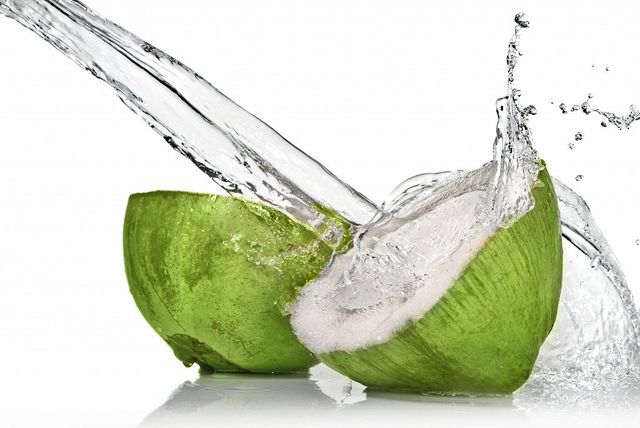
It is commonly believed that after an intense workout an individual should opt for an energy drink, a bottle of water or even coconut water. However, new research suggests consuming natural beverages such as fruit juice, milk or even beer after a good work may be more effective in hydrating your body.
According to Brian Parr, associate professor of exercise and sports science at the University of South Carolina, Aiken, the particular beverage an individual chooses post-workout should match their routine. Keep in mind each beverage contains calories that can compete with your weight loss goals.
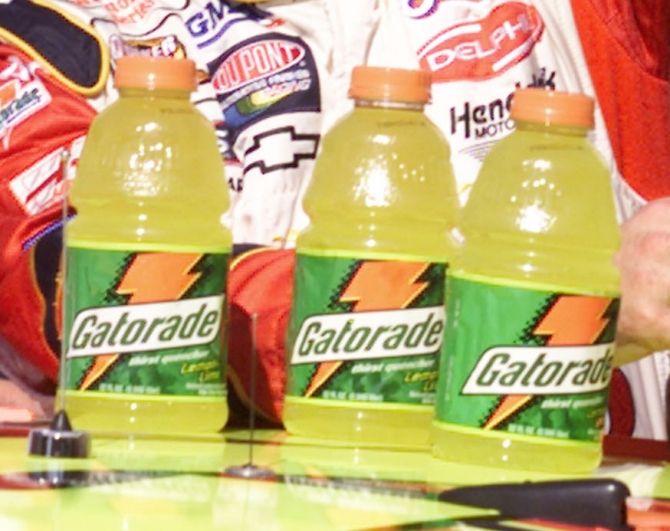
Type of Workout: Bikram Yoga or a Hot Run, Bicycle Ride
The Way it Works: Sodium is critical for the functioning of muscles and nerves. Drinks such as Gatorade and Powerade are made from a combination of fluids, salt, and sugar that will help prevent dehydration, restore electrolytes and deliver carbs in order to replenish one's body. Joe Skipper/ReutersHere are the Top 7 Ready-To-Drink Coconut Water On Amazon.Flickr/ Phú Thịnh CoImageFlickr/ _urbanizrType of Workout: Strengthening/Weight Training
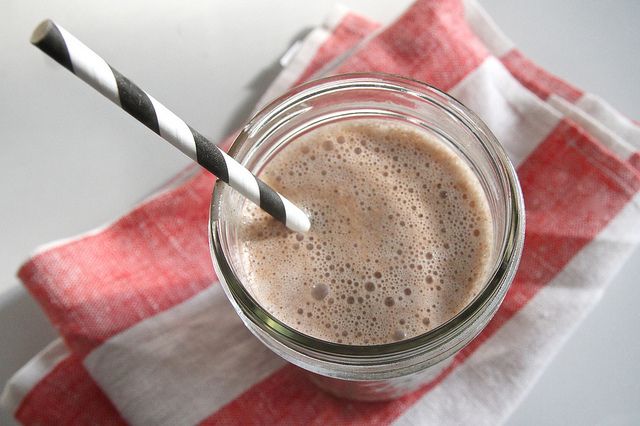
The Way it Works: Milk provides your muscles with the proper fuel to recover and grow. Sugar (chocolate) and protein allows your muscles to recuperate quickly.
You should consume this beverage directly after your workout.Flickr/ shutterbeanType of Workout: Ultra-endurance Events
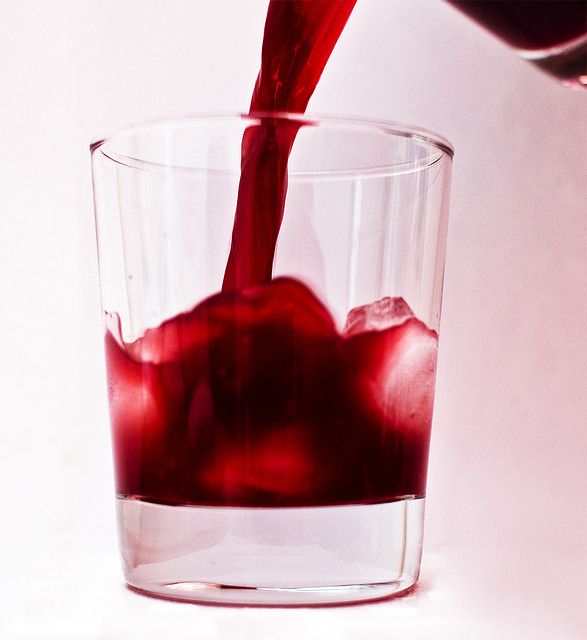
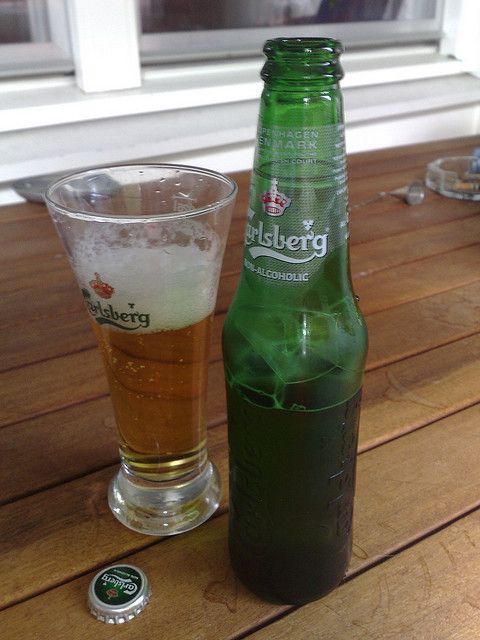
The Way it Works: According to German researchers, consuming Non-Alcoholic beer can reduce the body's risk of gaining post-exercise illnesses, such as respiratory infections after a big race. The essential polyphenolic compounds, which are antioxidant, antipathogenic, and anti-inflammatory assist to combat these illnesses.
You can consume one liter a day prior to the event and two weeks following the event.Flickr/skrivanet